
Clinical Journal 1: Medical Rehabilitation. Prevention. Longevity

Today I launch the first Clinical Journal post.
This is the beginning of a three-year journey into formal medical education and a way to document my clinical learning
For the next three years, a significant part of my time will be dedicated to medical education at Grigore T. Popa University of Medicine and Pharmacy, with a particular focus on preventive medicine.
The rest of my time will continue to be spent across Europe, where I hope to meet exceptional people from different disciplines: researchers, physicians, entrepreneurs, health professionals, policymakers, and others who are thinking seriously about the future of human health and longevity.
Clinical Journal is one of the four core domains within La Syntropie.
Its role is to explore what happens between knowledge and real clinical practice: developing a deeper understanding of the human body, clinical practice and patient care, and bringing those observations back into the broader work around longevity.
The journey will move, progressively, from theory and observation to practice.
First focus is human anatomy and physiology.
I believe that a broader understanding of our bodies and minds (regardless of our professional background) can become an important foundation for a society that places greater emphasis on prevention rather than waiting for disease to require treatment.
Medical rehabilitation. Prevention. Longevity. These are some of the broad directions I want to examine through Clinical Journal.
My business background has taught me something that has stayed with me across very different industries: It is never enough to understand the tools. You have to understand the field in which you are applying them. The system.
Marketing, strategy, analytics, consumer psychology, finance, P&L reports, operational frameworks and so on are instruments.
The deeper work is understanding the environment in which those instruments operate.
This is why, over the years, I have found myself studying things far outside what would traditionally be considered my core business expertise: mixed-use real estate development, the history and economics of coffee, water composition, education systems, and many other fields.
Combine that with conversations with people who have spent years working inside those fields, and you have part of my formula for understanding unfamiliar environments deeply enough to make better decisions and create real results.
But medicine is different.
Especially when the focus is longevity. Not only because medicine is heavily regulated and extraordinarily complex, but because the stakes are fundamentally different.
In business, a missed detail can mean an unhappy customer, a financial loss or an operational failure. In medicine, a missed detail can affect someone’s health.
Sometimes, it can cost a life. That changes the responsibility of learning. It is no longer enough to be intellectually curious, to read widely, or to speak with experts. I believe I need to understand the fundamentals properly.
So I decided to pursue formal academic training and medical rehabilitation seemed to be the closest way to understand the human side of longevity from a deeper level in a short time. The main subjects this semester are biochemistry, cell biology, physiology, kinesiology, anatomy, and physical education.
At biochemistry, I already know that I will have to prepare a project about vitamins.
The rest of the classes introduced us to the musculoskeletal system, fundamental concepts regarding cells, laboratory equipment and some of the practical aspects of university life.
Nothing particularly revealing yet. Well… First week. And perhaps that is exactly the point.
More about my approach, and a brief introduction to the thinking behind this journey, in a LinkedIn article I wrote two days ago: https://www.linkedin.com/pulse/between-worlds/
For the first Clinical Journal, I chose Michelangelo’s Moses as the cover.
There is something appropriate about beginning a clinical learning journey with a work so deeply connected to the observation of the human body.
Renowned for its extraordinary anatomical detail, it connects with an idea that I find increasingly relevant as I begin this chapter:
Details matter. In medicine, they matter enormously.
As Sir Henry Royce said:
Small things make perfection, but perfection is no small thing.
Until we meet again,
T.
CONTINUE YOUR JOURNEY
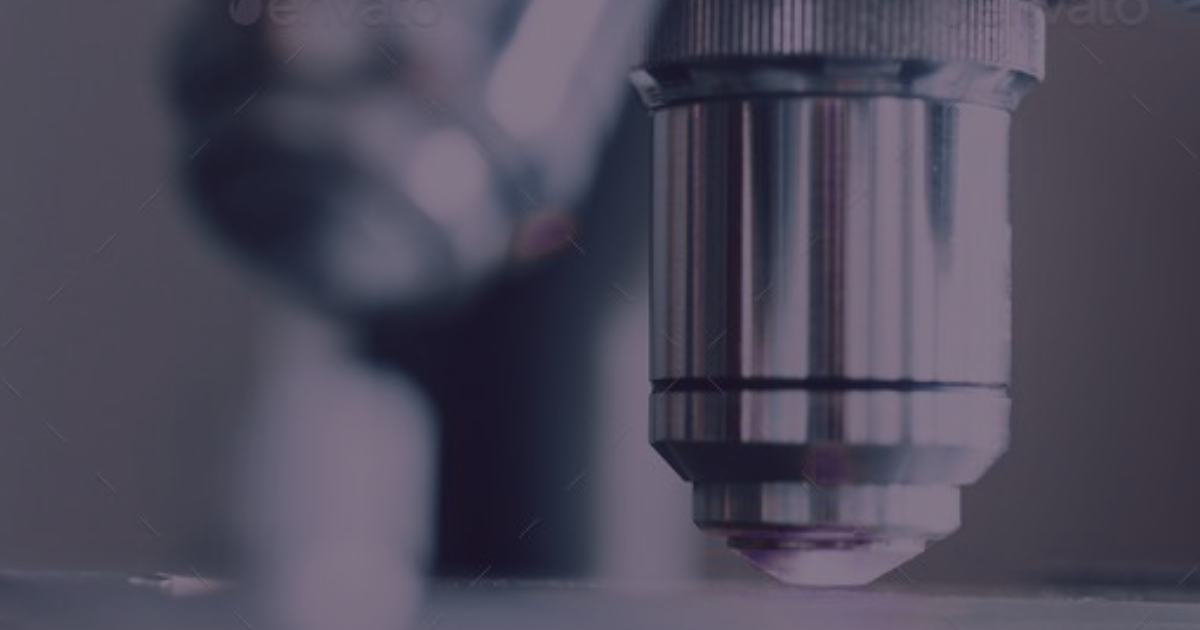
The third week was largely about learning to see what cannot be observed directly: cells and their components, the electrical activity of the heart, the concentration of a [...]
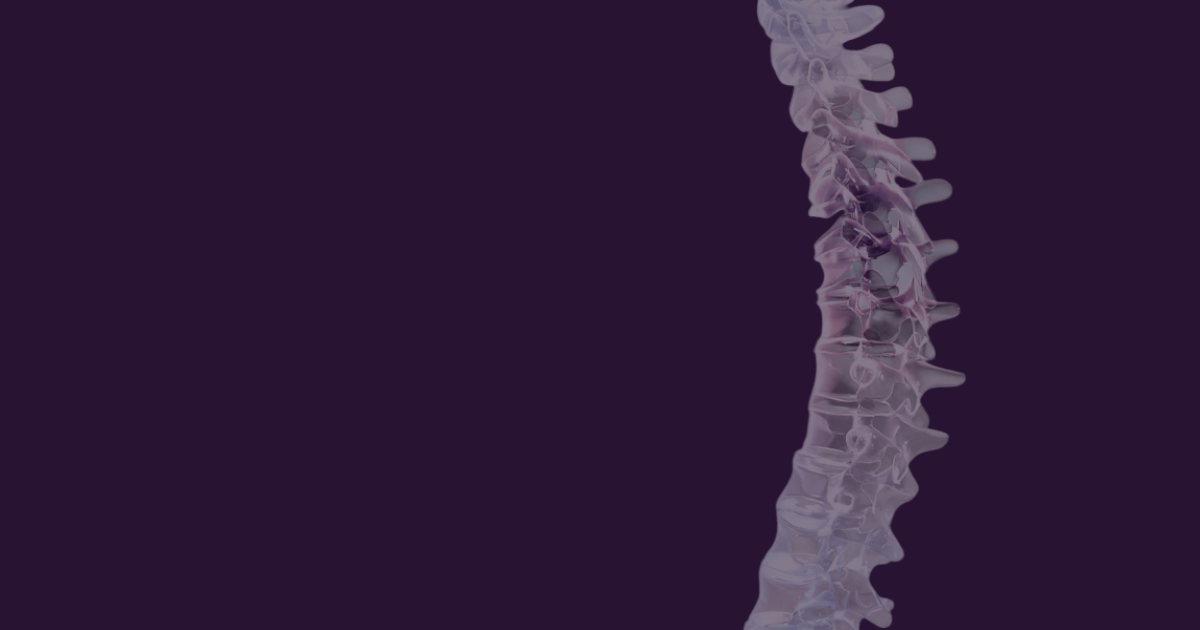
My second week brought together several subjects that will form the foundation of my medical education: anatomy, kinesiology, physical education, physiology, an introduction to practical skills, ethics, and [...]
-
Today I launch the first Clinical Journal post. This is the beginning of a three-year journey into formal medical education and a way to document my clinical [...]

Lorem ipsum Lorem ipsum dolor sit amet, consectetur adipiscing elit, sed do eiusmod tempor incididunt ut labore et dolore magna aliqua. Ut enim ad minim veniam, quis nostrud [...]

Lorem ipsum Lorem ipsum dolor sit amet, consectetur adipiscing elit, sed do eiusmod tempor incididunt ut labore et dolore magna aliqua. Ut enim ad minim veniam, quis nostrud [...]

Lorem ipsum Lorem ipsum dolor sit amet, consectetur adipiscing elit, sed do eiusmod tempor incididunt ut labore et dolore magna aliqua. Ut enim ad minim veniam, quis nostrud [...]

Lorem ipsum Lorem ipsum dolor sit amet, consectetur adipiscing elit, sed do eiusmod tempor incididunt ut labore et dolore magna aliqua. Ut enim ad minim veniam, quis nostrud [...]